
"roast by color"
6000 article(s) found

The origin of the name of coffee roasting mode
At present, the naming method mainly comes from two sources: one is the general preference of national drinkers' baking mode: Ruyi baking, French baking and so on. One is the naming rules developed by coffee professionals in the United States from the end of the 19th century to the beginning of the 20th century.
The roasting stage and main uses of boutique coffee
Stir-fried coffee and raw beans are also called Roasting. Coffee according to roasting to remove moisture, the composition will also undergo chemical changes, resulting in volatile aroma, and become caramel color. As a result, the weight is reduced by 15% to 20%, and the capacity is increased by about 30%. The unique flavor of coffee-sour, bitter, sweet, astringent, mellow, etc., is produced by roasting. Usually the method of making coffee is traditional, according to

Coffee roasting stage and main use stir-fried coffee raw beans also known as roasting
Stir-fried coffee and raw beans are also called Roasting. Coffee according to roasting to remove moisture, the composition will also undergo chemical changes, resulting in volatile aroma, and become caramel color. As a result, the weight is reduced by 15% to 20%, and the capacity is increased by about 30%. The unique flavor of coffee-sour, bitter, sweet, astringent, mellow, etc., is produced by roasting. Usually the method of making coffee is traditional, according to

Distinguish the degree of roasting coffee beans surface wrinkles how deep baking surface smooth shallow roasting concept cafe
After knowing the roasting principle of coffee beans, it is easy to distinguish the degree of roasting, which can be judged by the following: appearance: shallow baking-wrinkled surface, deep baking-smooth surface. Color: light baking-light color, deep baking-dark color. Taste: shallow baking-sweet and sour, deep baking-bitter fragrance. Preservation: shallow baking-slow oil production speed, deep baking-oil production speed

Roasting determines coffee taste Coffee Roasting basics
Generally, each coffee cherry contains two green beans, and the aroma is still hidden, waiting to be discovered. In raw beans, there is a lot of chloric acid. As it bakes, the chloric acid disappears, releasing familiar and pleasant fruit acids such as acetic acid, citric acid, and malic acid found in wine. Baked properly, these beautiful sour taste can be moderately presented; conversely,

How can coffee beans be roasted? how do you define how coffee beans are roasted?
Professional coffee knowledge exchange more coffee bean information please follow the coffee workshop (Wechat official account cafe_style)
Roasting determines the taste of coffee
Generally speaking, each coffee cherry contains two raw beans, and the fragrance is still hidden, waiting to be discovered. In raw beans, it contains a lot of chloric acid. As the baking process, chloric acid will gradually disappear, releasing familiar and pleasant fruit acid-such as acetic acid, citric acid, malic acid in wine. Baking is just right, it can present these beautiful sour taste moderately; on the contrary,
Coffee technology common sense coffee roasting process
Once the coffee seed is planted, no one can change its final quality. But coffee's color, aroma, bioactive components, and health properties are related to the roasting process. In the roasting process, coffee is heated at a high temperature of 190-220 degrees for 7-20 minutes. This process helps to roast its aroma and good taste, and helps to form lactones, niacin, and anti-aging.

Roasting analysis of professional coffee
Once the coffee seed is planted, no one can change its final quality. However, the color, aroma, bioactive components and health characteristics of coffee are related to the roasting process.

The color and smell of coffee represent the quality of coffee.
The color, aroma and taste of coffee are caused by some complex chemical changes that take place during the baking process.

Physical changes of raw beans during heat absorption of roasted coffee beans wholesale raw bean merchants
Physical changes in roasting of raw beans change the color of coffee beans, evaporate moisture, increase their volume, and make coffee beans become brittle. Almost all people in the coffee industry regard color as the standard to measure the roasting degree of coffee, even if they are named for different roasting degrees, but there is no consensus on the roasting degree symmetrical by each name in the coffee industry. The first stage of roasting coffee beans is "roasting."

What are the different baking degrees of different varieties of coffee beans?
Different varieties of coffee degree will be different, according to different varieties of roasting different roasting stage of coffee beans characteristics table: Light the most light roasting, no flavor and concentration of light Cinnamon for the general popular roasting degree, leaving a strong sour taste. Beans are cinnamon-colored and are favored by people in the western United States. Light (Medial) medium baking. Mellow, sour taste
Coffee roasting stage shallow roasting accompany. Moderate baking. Deep baking
The baking of coffee beans can be divided into shallow baking according to the degree of baking. Moderate baking. There are three categories of deep baking. Generally speaking, the light baking color is lighter, the sour taste is strong, and it has a unique flavor. The deep baking color is darker, the deeper the sour taste is, and the more bitter it is, but the scorched smell of baking makes the aroma more intense. The only common term among coffee bakers is bottom, medium, and deep.
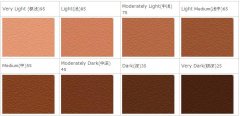
Roasting degree resolution chart of roasting knowledge of high-quality coffee beans
The above color is only for reference to distinguish according to the roasting degree of each country, which is also the earliest distinction of roasting degree of coffee. Because the roasting degree of coffee varies from country to region, it is known as roasting degree by country or region, such as Italian roasting, French roasting and so on. However, the baking degree of these different preferences are integrated and arranged from shallow to deep to form the baking degree.

General knowledge of coffee roasting stages and main uses of coffee beans
Stir-fried coffee and raw beans are also called Roasting. Coffee according to roasting to remove moisture, the composition will also undergo chemical changes, resulting in volatile aroma, and become caramel color. As a result, the weight is reduced by 15% to 20%, and the capacity is increased by about 30%. The unique flavor of coffee-sour, bitter, sweet, astringent, mellow, etc., is produced by roasting. Usually the method of making coffee is traditional, according to
The knowledge of roasting coffee beans.
Cinnamon Roast: cinnamon baking. This is the lightest kind of baking. There is no oil on the surface of the coffee beans. Large coffee bean manufacturers often mix the lightly roasted coffee beans with the coffee beans they sell. Because it can save money and increase the quantity. Cinnamon-roasted coffee beans usually do not appear in urban baking City Roast: the name of urban baking.
General knowledge of roasting of fine coffee beans by hand
When it comes to companionship, the layman always thinks it is difficult. But as long as you can really grasp a few key points, it will be very difficult not to return. At the beginning, you may not be able to stir-fry well, but after you are proficient, you can skillfully add or subtract Chengdu according to your own preferences. Here will introduce to you the manual method of using hand filter: 1. Buy a filter with a handle. The best choice of raw coffee beans is Central and South American.
When can I stop roasting when coffee is roasted?
When do you want to stop baking? It can be judged from the following points: 1. Color of coffee beans: because coffee beans show different colors when roasted to different degrees, color becomes the most commonly used basis for baking depth, which can be applied to most coffee beans, but some coffee beans are special. Kenya beans, for example, are much darker than ordinary coffee beans.
Roast coffee beans
The baking silver skin of coffee beans the basic concept of roasting: coffee beans: familiar with the discrimination and selection of raw beans. Baking pot: familiar with the characteristics, structure and material of the baking machine. Technology: the cultivation of time, degree, temperature control and discrimination ability. The color, aroma and taste of coffee are caused by complex chemical changes in the roasting process. Baking is based on